


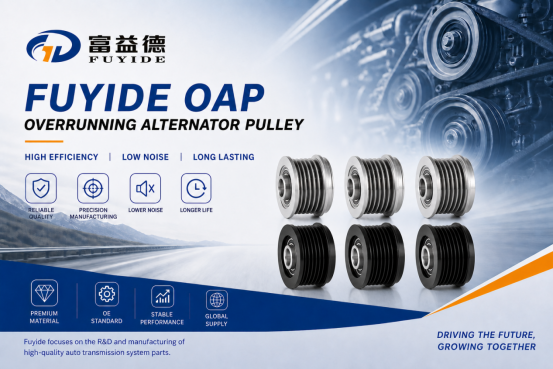
The alternator is an essential part of a vehicle’s electrical and accessory drive system, but the pulley mounted on the alternator can also have a significant effect on the performance of the belt drive.
In many modern vehicles, a conventional solid alternator pulley is replaced by an overrunning alternator pulley, commonly known as an OAP.
So, what is an overrunning alternator pulley? How does an OAP work, and why is it used in modern automotive belt drive systems?
In this guide, FUYIDE explains the basic working principle, functions, benefits, common failure symptoms, and key considerations when selecting an OAP for an automotive aftermarket application.
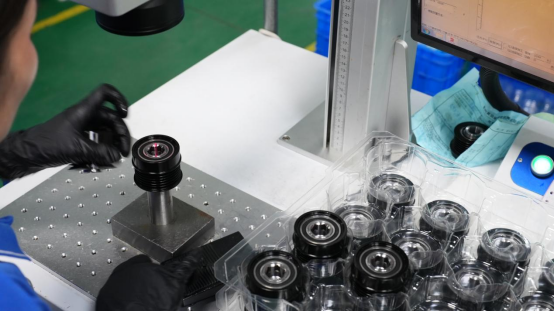
What Is an Overrunning Alternator Pulley?
An overrunning alternator pulley (OAP) is a specially designed alternator pulley incorporating a one-way clutch mechanism.
Unlike a conventional solid pulley, which maintains a rigid rotational connection between the alternator and the belt drive, an OAP is designed to transmit torque in the driving direction while allowing the alternator to temporarily overrun, or freewheel, when operating conditions require it.
This one-way function helps isolate the accessory belt drive from rotational irregularities that occur during normal engine operation.
You may also see an OAP referred to as an:
Alternator overrunning pulley
Overrunning pulley
Alternator freewheel pulley
Freewheeling alternator pulley
Although these terms are sometimes used interchangeably in the aftermarket, it is important to distinguish an OAP from an OAD (Overrunning Alternator Decoupler), as their internal structures and damping characteristics are different.
Why Do Modern Vehicles Use an OAP Pulley?
An internal combustion engine does not rotate at an absolutely constant speed. The crankshaft experiences acceleration and deceleration caused by combustion events, engine speed changes, gear shifts, start-stop operation, and other driving conditions.
At the same time, the alternator rotor has rotational inertia.
With a conventional solid alternator pulley, changes in engine speed are transferred more directly through the accessory belt to the alternator. Under certain operating conditions, this interaction can contribute to belt vibration and increased movement of the tensioner.
An overrunning alternator pulley helps manage these effects by allowing the alternator rotor to temporarily rotate independently of the belt when its rotational speed tends to exceed the belt-driven speed.
In simple terms:
A solid pulley keeps the alternator directly coupled to belt movement.
An OAP can drive the alternator in one direction while allowing it to overrun when necessary.
That seemingly simple difference can have an important effect on the overall Front End Accessory Drive (FEAD) system.
How Does an Overrunning Alternator Pulley Work?
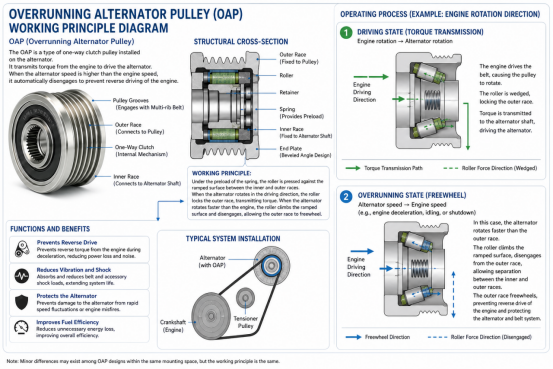
The key to an OAP is its internal one-way clutch mechanism.
During normal acceleration, the accessory belt drives the pulley, and the clutch engages to transfer torque to the alternator rotor. The alternator therefore rotates and generates electrical power as required by the vehicle.
When the engine rapidly decelerates, however, the belt speed can decrease faster than the alternator rotor because the rotor still carries rotational inertia.
At this point, the OAP’s one-way mechanism allows the alternator rotor to overrun rather than forcing it to decelerate instantly with the belt.
A simple way to understand the process is:
Engine accelerates → belt drives OAP → clutch engages → alternator is driven
Engine speed drops → belt slows → alternator maintains inertia → OAP overruns temporarily
This decoupling behavior helps reduce the transmission of unwanted rotational forces into the accessory drive.
What Are the Main Benefits of an OAP?
The advantages of an overrunning alternator pulley should be considered at the system level rather than looking at the alternator alone.
Depending on the vehicle and belt drive design, a properly functioning OAP can contribute to:
Reduced accessory belt vibration
Smoother belt drive operation
Reduced excessive tensioner movement
Improved management of alternator inertia
Lower noise and vibration in the accessory drive
Reduced dynamic loads on related belt drive components
Improved overall FEAD system behavior
This is why using the correct pulley design for the specified vehicle application is important.
Replacing an OAP with an ordinary solid pulley simply because the dimensions appear similar may change the dynamic behavior of the belt drive and is generally not recommended unless the vehicle manufacturer or an approved application specifically calls for that configuration.
OAP vs. Conventional Solid Alternator Pulley
The fundamental difference between the two products is rotational behavior.
A conventional solid pulley creates a fixed mechanical connection between the pulley and alternator shaft. As belt speed changes, the alternator rotor follows those changes directly.
An OAP incorporates an overrunning mechanism. It transmits torque when the alternator needs to be driven, but can allow the alternator to temporarily rotate faster than the pulley during deceleration.
For automotive parts distributors, workshops, and replacement-parts brands, identifying whether an application requires a solid pulley, OAP, or another pulley design is therefore essential.
The decision should be based on OE specifications and verified vehicle application data rather than visual appearance alone.
Is an OAP the Same as an OAD?
No.
OAP stands for Overrunning Alternator Pulley, while OAD stands for Overrunning Alternator Decoupler.
Both technologies are designed to help manage alternator inertia within the belt drive, and both can provide an overrunning function. However, an OAD typically incorporates additional decoupling or spring/damping functionality.
Because OAP and OAD products can sometimes look similar externally, they should not automatically be considered interchangeable.
Always identify the correct product through the OE number, alternator information, vehicle model, engine, dimensions, and verified cross-reference data.
For a detailed comparison, read our related guide: OAP vs. OAD: Understanding the Difference in Alternator Pulley Technology.
What Are the Symptoms of a Bad Overrunning Alternator Pulley?
Like other mechanical components, an OAP can wear or fail over time.
Possible signs associated with an abnormal alternator pulley or accessory drive can include:
Unusual noise from the alternator or belt drive area
Excessive accessory belt vibration
Abnormal tensioner movement
Pulley locking in both directions or failing to engage correctly
Irregular belt operation
Premature wear of related belt drive components
However, these symptoms are not exclusive to an OAP failure. Similar problems can be caused by the tensioner, belt, bearings, crankshaft damper, misalignment, or other FEAD components.
The complete accessory drive system should therefore be inspected before determining the root cause.
Read more: 7 Common Symptoms of a Bad Overrunning Alternator Pulley.
How Do You Check an Overrunning Alternator Pulley?
A basic inspection can determine whether the overrunning mechanism is behaving as intended, although the exact inspection method can vary depending on OAP design and application.
Generally, technicians check whether the pulley can transmit rotation in its driving direction while allowing the appropriate overrunning behavior in the opposite relative direction.
The pulley should also be inspected for excessive play, roughness, unusual noise, visible damage, or abnormal resistance.
Professional tools and manufacturer-specific service procedures should be used where required.
For more information, see: How to Check and Test an Overrunning Alternator Pulley.
How Do You Find the Correct OAP for a Vehicle?
Fitment is one of the most important considerations when sourcing an aftermarket overrunning alternator pulley.
Two OAPs may look nearly identical but differ in dimensions, thread, spline configuration, internal design, or vehicle application.
Professional buyers should therefore verify several pieces of information:
OE part number
Vehicle make and model
Model year
Engine type
Alternator manufacturer and reference
Pulley dimensions and specifications
Cross-reference number
For importers and automotive parts distributors managing hundreds of references, a reliable OE and vehicle cross-reference system can significantly simplify product selection and inventory planning.
This is particularly important in markets with a diverse vehicle population.
What Should Distributors Consider When Sourcing OAP Pulleys?
Price is important in the automotive aftermarket, but unit price alone does not determine the total sourcing cost.
Importers, distributors, wholesalers, and private-label brands should also consider product stability, application accuracy, vehicle coverage, manufacturing consistency, delivery capability, technical support, and supplier responsiveness.
A broad product range can be especially valuable for distributors because local demand rarely concentrates on just one pulley reference.
Working with an OAP supplier that covers multiple vehicle brands and applications can help buyers consolidate sourcing and build a more suitable SKU mix for their local markets.
Fuyide Overrunning Alternator Pulley Solutions
Changzhou Fuyide Precision Machinery Co., Ltd. (FUYIDE) specializes in automotive pulley products, with overrunning alternator pulleys and vibration damper pulleys among our key product categories.
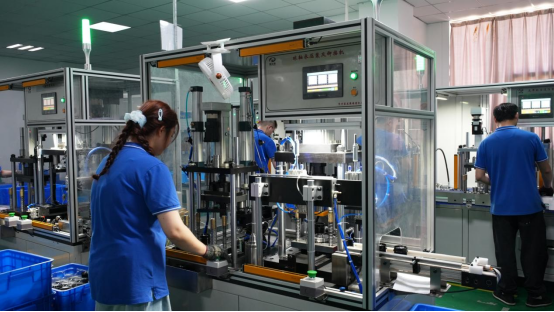
Based in Changzhou, China, Fuyide has continued to invest in professional R&D personnel, production equipment, testing capabilities, and automated production lines.
Our quality management systems include ISO 9001 and IATF 16949 certification, supporting standardized management and production processes.
For global automotive aftermarket customers, FUYIDE focuses on several key areas:
Extensive product and vehicle application coverage
Competitive cost-performance ratio
Stable product quality
OE-reference and application matching
OEM and ODM development capabilities
Support for drawing-based and customized development
Efficient production and delivery
Support for distributors building product ranges for their local vehicle markets
Our goal is not simply to supply individual pulley references. We aim to help automotive parts importers, distributors, wholesalers, and aftermarket brands identify the right products for their target vehicle population and build a more effective product portfolio.
Frequently Asked Questions About Overrunning Alternator Pulleys
What does OAP stand for?
OAP stands for Overrunning Alternator Pulley. It is an alternator pulley equipped with a one-way overrunning mechanism.
What is the purpose of an overrunning alternator pulley?
Its primary purpose is to drive the alternator while allowing the alternator rotor to overrun under specific operating conditions. This helps manage alternator inertia and can improve accessory belt drive behavior.
Can I replace an OAP with a solid pulley?
A solid pulley should not automatically be used as a substitute for an OAP. The correct pulley should be selected according to the vehicle manufacturer’s specified application and verified fitment information.
Is an OAP the same as an alternator decoupler?
Not exactly. An OAP provides overrunning functionality, while an OAD typically incorporates additional decoupling characteristics. Correct identification is important when sourcing replacement parts.
How can I find the correct FUYIDE OAP?
Send Fuyide the OE number, vehicle make and model, engine information, alternator reference, or an existing cross-reference number. Our team can assist with product matching based on available application data.
Looking for an Overrunning Alternator Pulley Manufacturer?
For automotive aftermarket distributors, product coverage and accurate fitment can be just as important as price.
Fuyide supplies overrunning alternator pulleys for a wide range of automotive applications and supports OEM/ODM and customized development. We work with automotive parts importers, distributors, wholesalers, brands, and other professional aftermarket customers across international markets.
If you are looking for an OAP pulley, send us your OE numbers, vehicle applications, existing part numbers, or target market. FUYIDE can help you identify suitable references and develop a product mix based on your market needs.