


Quick answer
Common bad alternator pulley symptoms include unusual alternator pulley noise, excessive accessory belt vibration, excessive belt tensioner movement, an OAP that locks in both directions, slipping or incorrect alternator drive, premature belt or FEAD component wear, and rough accessory drive behavior during engine speed changes. These symptoms may indicate an overrunning alternator pulley (OAP) problem, but they do not prove pulley failure. The complete FEAD system should be inspected before replacing the OAP.
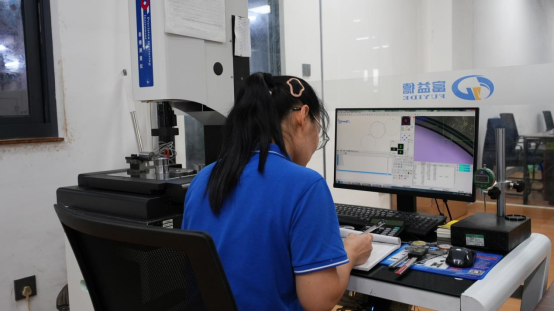
An overrunning alternator pulley (OAP) may be a relatively small component, but it plays an important role in the Front End Accessory Drive (FEAD) system.
Unlike a conventional solid alternator pulley, an OAP contains a one-way overrunning mechanism. It transfers torque from the accessory belt to the alternator while allowing the alternator rotor to temporarily overrun under certain operating conditions.
Over time, however, the internal mechanism can wear or become damaged. A possible overrunning alternator pulley failure may show up as unusual noise, belt vibration, excessive tensioner movement or other accessory drive abnormalities.
So, what are the most common bad alternator pulley symptoms?
In this guide, FUYIDE explains seven signs that may indicate an OAP pulley problem, what causes these symptoms, and why the complete accessory belt system should be inspected before replacing the pulley.

1. Unusual Alternator Pulley Noise
One of the most noticeable potential symptoms is unusual alternator pulley noise.
A worn or damaged OAP may be associated with abnormal sounds from the alternator and accessory belt area. Depending on the condition of the pulley and the overall FEAD system, the noise may occur at idle, during acceleration or deceleration, or when engine speed changes.
Drivers or technicians may notice sounds such as:
Rattling
Chirping
Squeaking
Grinding or rough rotational noise
However, noise alone does not confirm an overrunning alternator pulley failure.
A worn belt tensioner, idler pulley, bearing, belt misalignment, alternator bearing or crankshaft vibration damper can produce similar symptoms.
For this reason, “alternator pulley noise” should be treated as a reason for further inspection rather than as a final diagnosis.
2. Excessive Accessory Belt Vibration
Another possible bad alternator pulley symptom is excessive vibration in the accessory belt.
An OAP is designed to help manage the effect of alternator rotational inertia on the belt drive.
When engine speed changes rapidly, particularly during deceleration, the alternator rotor naturally tends to continue rotating because of its inertia. A correctly functioning OAP allows the rotor to temporarily overrun instead of forcing it to immediately follow the decreasing belt speed.
If the OAP’s one-way mechanism no longer functions correctly, the dynamic behavior of the accessory drive may change.
This can contribute to visible belt vibration or unstable belt movement.
Again, excessive belt vibration should not automatically be attributed to an OAP pulley failure. Belt condition, pulley alignment, tensioner condition and other FEAD components must also be checked.
3. Excessive Belt Tensioner Movement
Watching the belt tensioner while the engine is running can sometimes provide useful information about the condition of the accessory drive.
Some tensioner movement is normal because the system must compensate for changes in belt load.
However, unusually large, rapid or unstable tensioner movement may indicate that the FEAD system is experiencing abnormal dynamic loads.
A malfunctioning overrunning alternator pulley is one possible cause.
If the OAP is no longer managing alternator inertia as designed, additional rotational irregularities can be transferred through the accessory belt and influence tensioner movement.
Technicians should inspect the complete system rather than immediately replacing the OAP, because a worn tensioner or other drive component can also cause abnormal movement.
4. The OAP Locks in Both Directions
The one-way operating characteristic is the key feature that distinguishes an OAP pulley from a solid alternator pulley.
Under its designed operating conditions, an OAP should transfer torque in the driving direction and provide the intended overrunning behavior in the opposite relative direction.
If the internal mechanism becomes seized, the pulley may effectively behave more like a solid pulley.
In other cases, the internal mechanism may fail to engage properly.
Either condition can indicate an internal OAP pulley failure.
The exact testing procedure depends on pulley design and vehicle application, so technicians should use suitable tools and follow the correct service procedure.
Related Reading: How to Check and Test an Overrunning Alternator Pulley
5. The Pulley Slips or Fails to Drive the Alternator Correctly
An OAP not only needs to overrun correctly—it must also engage correctly when torque needs to be transmitted to the alternator.
If the internal clutch mechanism is excessively worn or damaged, it may not transfer torque as intended.
Under some failure conditions, this can affect how reliably the alternator is driven.
Because the alternator plays a central role in the vehicle’s electrical and charging system, apparent alternator drive problems require careful diagnosis.
Battery warning lights, low charging voltage or electrical abnormalities should not automatically be diagnosed as an OAP problem. The alternator itself, battery, wiring, control system and other electrical components may be responsible.
If charging performance is abnormal, both the mechanical alternator drive and the electrical charging system should be tested.
6. Premature Wear of the Accessory Belt or Related Components
An abnormal pulley can influence other parts of the FEAD system.
If the overrunning function is lost or pulley operation becomes irregular, additional dynamic loads may affect components such as the:
Accessory belt
Belt tensioner
Idler pulleys
Alternator drive
Other related FEAD components
Signs such as abnormal belt wear, repeated belt problems or premature replacement of related parts deserve further investigation.
This is one reason why replacing individual parts without identifying the underlying problem can be costly.
If an accessory belt or tensioner repeatedly fails, the complete system—including the overrunning alternator pulley—should be inspected.
7. Rough Accessory Drive Behavior During Engine Speed Changes
Some potential OAP pulley failure symptoms become more noticeable when engine speed changes rather than during steady operation.
For example, abnormalities may appear:
When the engine returns to idle
During rapid deceleration
During engine start or shutdown
When accessory loads change
The reason is closely related to the function of an overrunning alternator pulley.
The OAP helps manage differences between the speed of the accessory belt and the rotational inertia of the alternator rotor. When its overrunning mechanism is not operating correctly, these speed transitions may result in more noticeable vibration, noise or tensioner movement.
However, these symptoms can overlap with faults elsewhere in the FEAD system, so professional inspection remains important.
Quick Summary: 7 Bad Alternator Pulley Symptoms
The seven common signs covered above are:
Unusual alternator pulley noise
Excessive accessory belt vibration
Excessive or unstable belt tensioner movement
OAP locking or failing to overrun correctly
Pulley slipping or failing to drive the alternator correctly
Premature wear of the belt or related FEAD components
Rough accessory drive behavior during engine speed changes
These symptoms can indicate a potential OAP problem, but they do not prove that the overrunning alternator pulley is the root cause.
Accurate diagnosis matters.
Related Products
Frequently Asked Questions
What are the symptoms of a bad alternator pulley?
Common symptoms include unusual alternator pulley noise, excessive accessory belt vibration, excessive belt tensioner movement, incorrect one-way operation, pulley slipping, premature belt or FEAD component wear, and rough accessory drive behavior during engine speed changes.
Can a bad OAP cause belt vibration?
A malfunctioning overrunning alternator pulley (OAP) can contribute to excessive accessory belt vibration because it may no longer manage alternator rotational inertia correctly. However, belt condition, pulley alignment, the tensioner and other FEAD components should also be inspected.
How do you know if an overrunning alternator pulley is bad?
A suspected bad OAP can be checked for unusual noise, rough rotation, abnormal free play, incorrect one-way operation, failure to overrun or failure to engage correctly. The exact testing procedure depends on the pulley design and vehicle application, so the appropriate service procedure and tools should be used.
Can a bad alternator pulley cause alternator problems?
A damaged OAP may affect how reliably the alternator is driven, but charging problems can also have electrical or mechanical causes. The alternator, battery, wiring, control system and complete accessory drive should be properly diagnosed before identifying the OAP as the root cause.